Insights & Essays.
Field notes for CTOs and principal engineers: what shipped, what failed, and how to staff the next AI program. Depth first — no vendor recap.
Latest Articles
On-Device Multimodality: Implementing Gemini Nano and Apple Intelligence App Intents
Learn how to build offline, low-latency mobile agents.
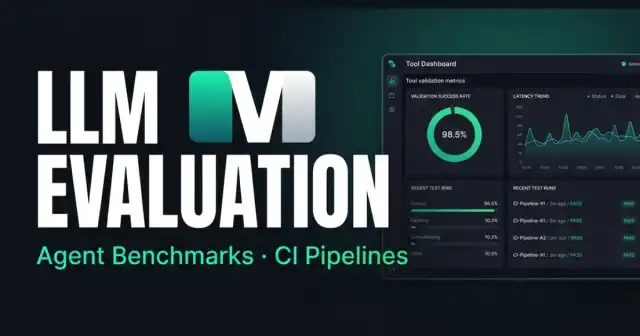
LLM Evaluation in Production: Agent Benchmarks That Actually Predict Failure
Stop relying on MMLU or static evals. Build a production agentic evaluation pipeline with golden sets, CI/CD regression testing, and real-time shadow
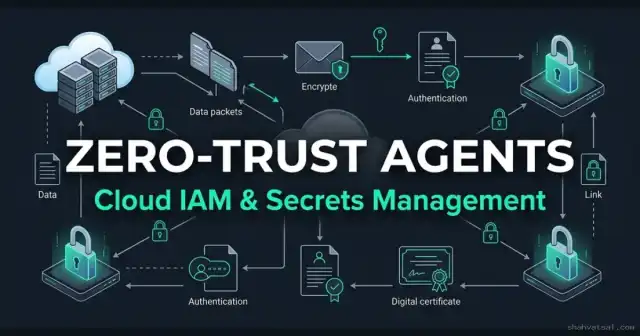
Zero-Trust Cloud for AI Agents: IAM, Secrets, and Federated Identity
Zero-Trust Cloud for AI Agents: IAM, Secrets, and Federated Identity By Vatsal Shah | June 28, 2026 | 25 min read Table of Contents 1.
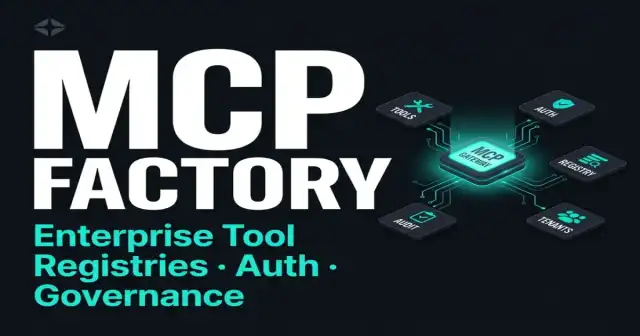
MCP Server Factory: Enterprise Tool Registries, Auth, and Governance at Scale
Stop running one-off MCP servers per developer. Learn how to build a production MCP registry with OAuth, mTLS, versioning, and shadow-MCP governance for
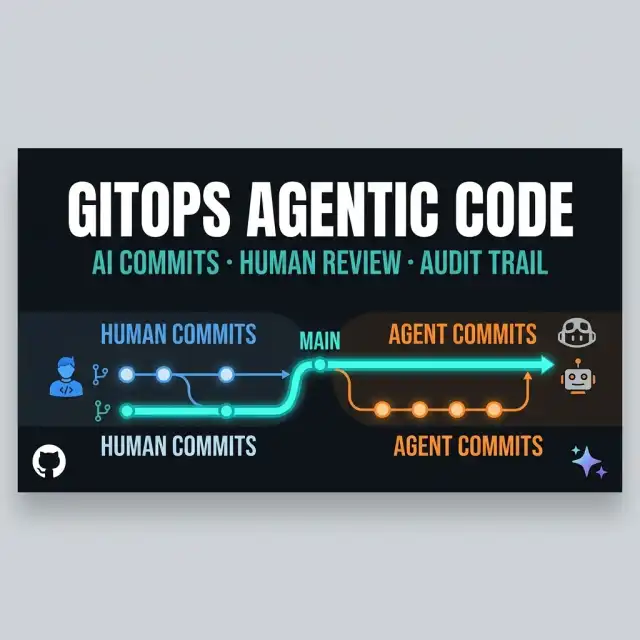
GitOps for Agentic Code: Branching, Review, and Audit When AI Writes 60% of Commits
GitOps for Agentic Code: Branching, Review, and Audit When AI Writes 60% of Commits By Vatsal Shah | June 27, 2026 | 14 min read Table of Contents - The.
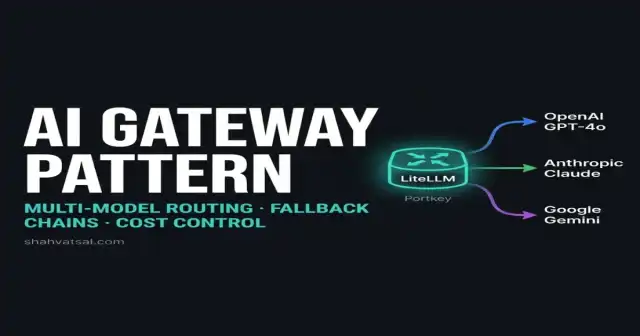
The AI Gateway Pattern: Multi-Model Routing with LiteLLM, Portkey, and Vercel
Tired of direct API integrations failing?
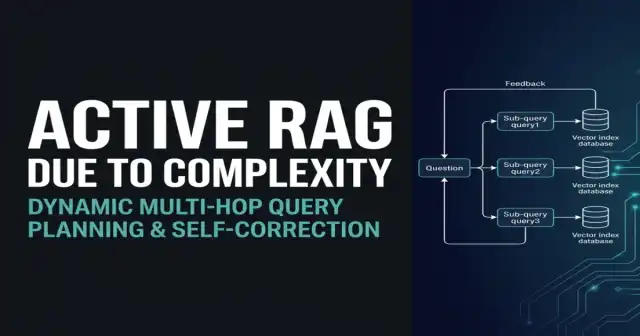
Active RAG: Dynamic Multi-Hop Query Planning and Self-Correction for AI Agents
Tired of passive vector RAG dropping context? Discover Active RAG: dynamic sub-query trees, multi-hop planners, and self-correcting agent loops.
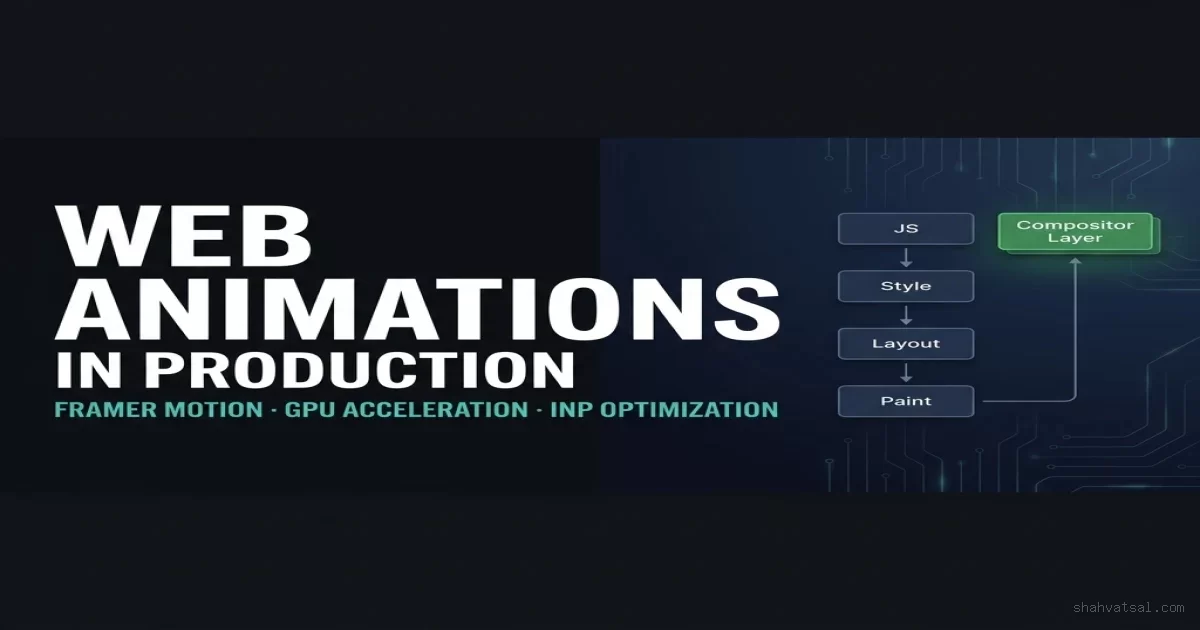
High-Performance Web Animations: Mastering Framer Motion and GPU-Accelerated Layouts
Build fluid micro-interactions and high-performance layout transitions using Framer Motion without degrading INP or CLS metrics.
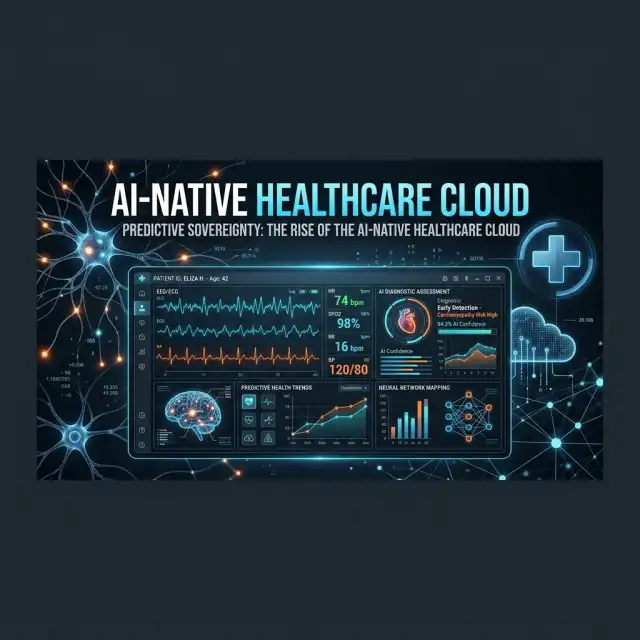
Predictive Sovereignty: The Rise of the AI-Native Healthcare Cloud
How local on-device LLMs, sovereign data lakes, and Edge-first compliance architectures are restructuring the modern medical record into an AI-Native.
Questions
What is this blog for?
Long-form notes on agentic AI, production LLM architecture, cloud engineering, and technical leadership, authored by Vatsal Shah. Each article has its own title, date, and canonical URL.
Are articles free to read?
Yes. Posts on shahvatsal.com/blog are free, with no paywall. Related case studies, playbooks, and frameworks sit in their own hubs.
How do hiring or consulting readers use this hub?
Hiring: read the article then /resume or /contact?focus=hiring. Consulting or software delivery: /contact or /contact?focus=software-application. Magento claims are not marketed here.
External Standards & Publications
Our engineering publications follow industry standards for software architecture and agentic AI systems. Read more about technical specifications at the IEEE Standards Association and general web engineering principles at the World Wide Web Consortium (W3C).